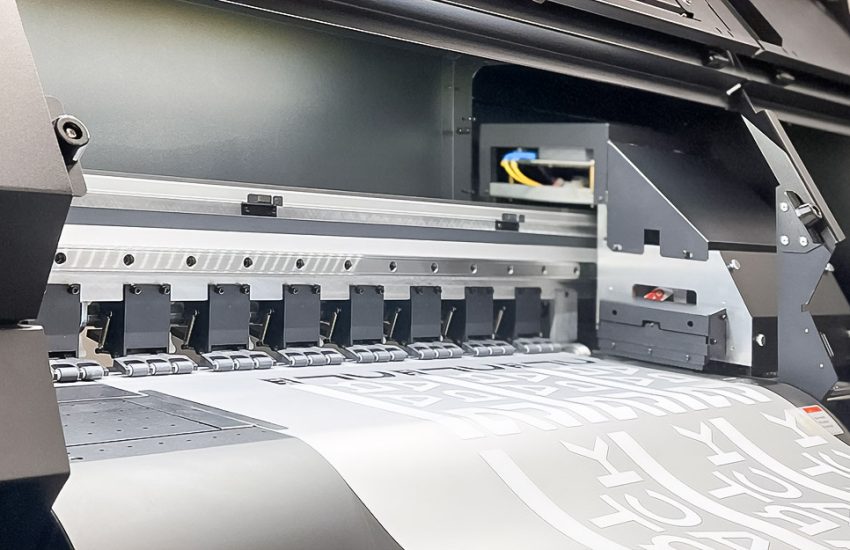
DTF printing has long ceased to be an experimental technology. It is used to transfer images to a wide variety of surfaces, from classic fabrics to complex textures, and direct to film printing has become a stable solution in both small-scale and industrial production. However, the versatility of the method often creates a false sense of simplicity. In practice, it is the material that determines whether the print will look neat, maintain color brightness, and withstand regular use. The surface, density, composition, and reaction to heat directly affect the adhesion, detail, and durability of an image.
DTF works as a system, not as a separate stage of production. Ignoring the properties of the base almost always leads to an unstable result.
Surface And Structure: Where Adhesion Begins
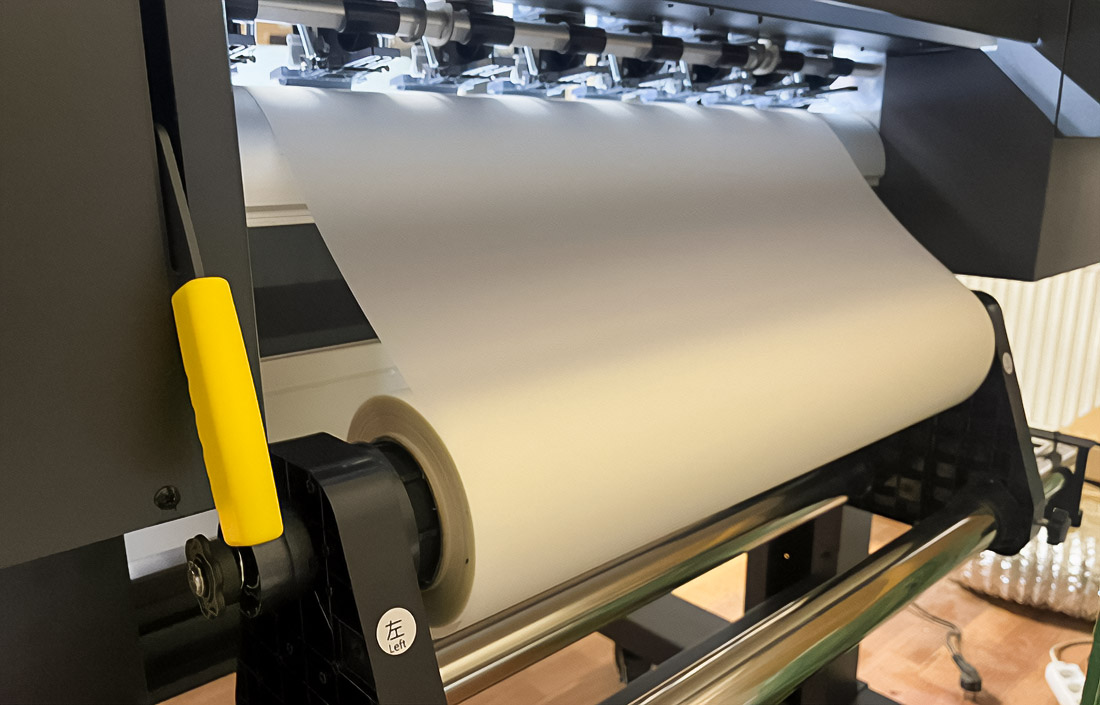
The first thing a DTF print interacts with is the surface of the material. The smoother and more uniform it is, the easier it is to achieve a uniform fit of the film and the adhesive layer. Smooth fabrics allow the ink layer to be distributed without tearing, and the pressure of the thermal press is transmitted evenly over the entire image area.
Textured and loose surfaces behave differently. Irregularities interfere with full-fledged contact, which is why individual areas may be less fixed. Over time, this manifests itself as partial peeling or accelerated wear. The density of the fabric also matters. A material that is too thin tolerates pressure worse, while an excessively bulky one requires more precise temperature and time settings.
It is at this stage that it becomes obvious that there are no universal parameters for all surfaces.
Fiber Composition And Visual Effect
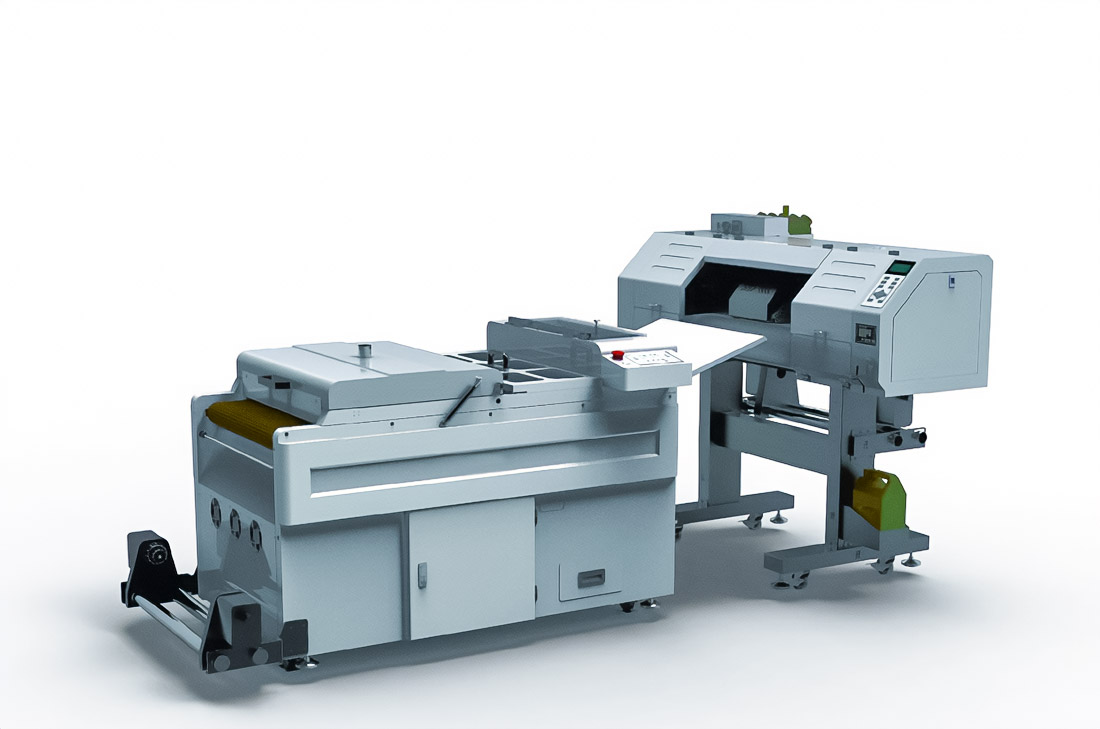
Natural and synthetic fibers interact with DTF printing in different ways. Natural fabrics have a high absorbency, so some of the ink visually goes into the structure of the material. As a result, the print looks softer, more opaque and less contrasting. This effect is often perceived as more tactile and “embedded” in the fabric.
Synthetic fibers, on the contrary, have a smooth and low-porosity surface. The ink layer stays closer to the surface, which enhances color saturation and clarity of details. This is one of the reasons why synthetics dominate global textile production, accounting for about 57% of the total fiber volume with an annual output of approximately 75 million tons.
However, synthetic materials have a special feature a tendency to dye migration. If the thermal parameters are incorrect, the pigment of the base can penetrate into the white substrate and distort the colors of the image.
Temperature, Pressure, And Wear Resistance
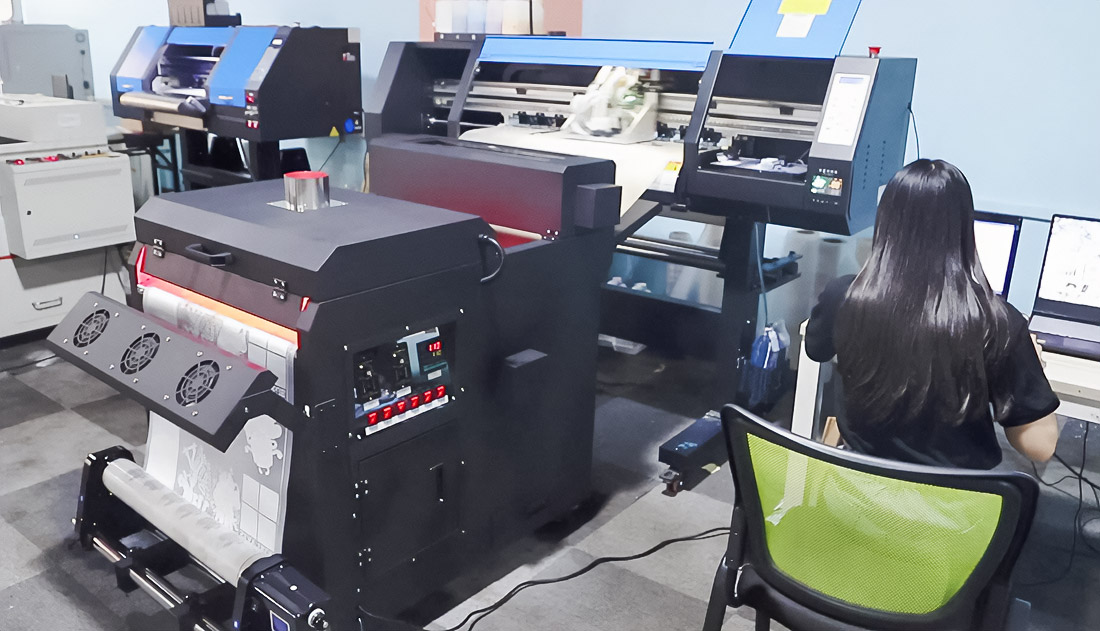
DTF transfer is always associated with heat. The operating temperature range is usually in the range of about 120–160 °C, but these values cannot be perceived as universal. The material determines not only the permissible temperature, but also the exposure time, as well as the pressure level.
Too high a temperature increases the risk of surface deformation and dye migration. Insufficient heat, on the contrary, impairs adhesion and reduces mechanical fixation. The pressure should be sufficient for uniform contact, but not excessive, especially when working with elastic fabrics.
Checking the stability of a print is impossible without practice. At least two or three test washes allow you to evaluate the behavior of the image in real conditions. A high-quality DTF print retains its color, flexibility and integrity even after repeated cycles of operation, if the material was selected correctly.
Why Testing Solves Everything
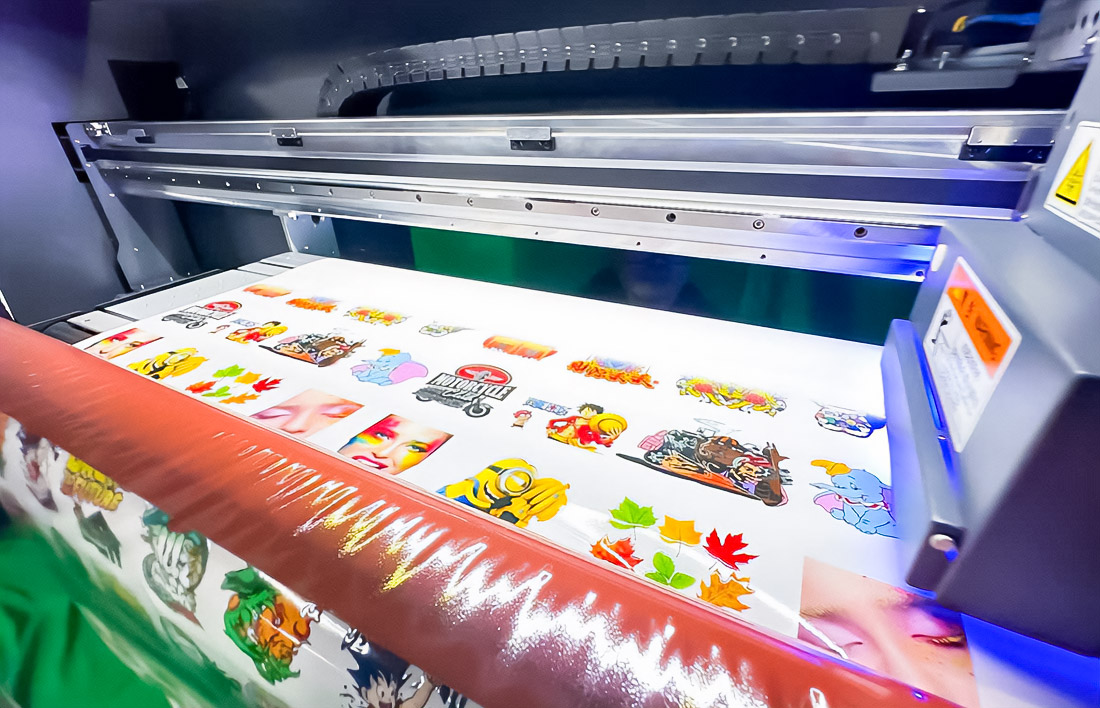
Even with a lot of experience, trial printing remains mandatory. A test print shows how a particular surface reacts to temperature, pressure, and glue. It helps to identify weaknesses before launching the main edition and avoid system errors.
DTF printing offers great opportunities, but a stable result always starts with understanding the material. The surface, fiber composition, and thermal properties are not minor details, but the foundation of the entire technology.

I am an award-winning freelance writer specializing in financial topics. With more than a decade of work experience, I have published in the Wall Street Journal, the New York Times and numerous industry journals, including the Harvard Business Review.